Which Minibuses Can I Drive?
Driving a Minibus on a Car Licence
Most SSAGO members will have passed their driving test after 01 January 1997, and so do not have a D1 (minibus) entitlement on their licence and they will only have a B (car) entitlement.
In this case, you can still drive a minibus on behalf of a non-commercial body for social purposes as long as ALL off the following conditions are met:
- The driver has held a full car licence for at least 2 years;
- The driver is aged 21 or over, but under 70 (unless the driver has passed a PCV medical and has gained the restriction code 120 or 79 (NFHR);
- The driver receives no payment or other consideration for driving the vehicle other than out-of-pocket expenses;
- The vehicle has no trailer attached;
- The vehicle weighs no more than 3,500kg (MAM - Maximum Authorised Mass) when not carrying specialised equipment, or 4,250kg when carrying specialised equipment.
- ‘Specialised equipment’ means equipment intended for the carriage of disabled passengers, like lifts.
- The additional 750kg attributed to ‘specialised equipment’ is the maximum allowance permitted to directly offset the additional weight of equipment that is intended for the carriage of disabled passengers. Therefore, any and all allowance claimed over the 3500kg limit must be attributed to this equipment.
- ALL specialised equipment must stay on the minibus for this concession to apply.
If any of the above conditions cannot be met, the driver will need to pass a second driving test in a minibus, which will gain them a full PCV D1 entitlement.
For further advice, see the DVLA website and the CTAs Guide.
How Do I Know the Vehicle Weights?
You will find a plate on the minibus that looks like the ones pictured below. It is sometimes called the chassis plate or VIN plate. It may be in the door frame, in one of the front foot wells or under the bonnet.
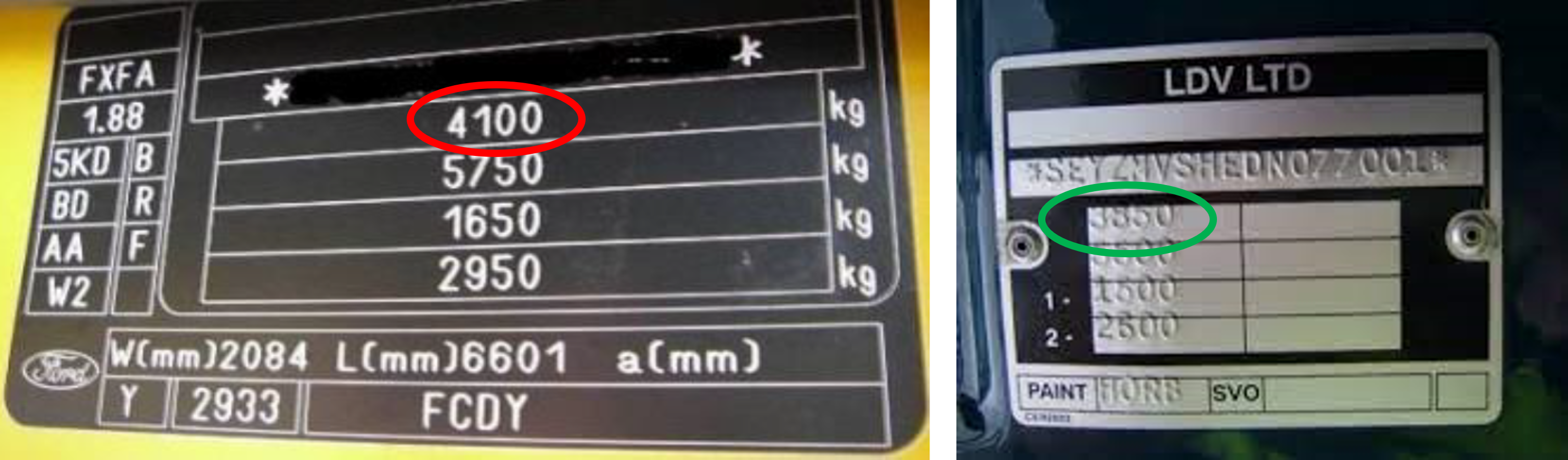
The relevant weight, MAM, is always the second largest weight on the plate - these are circled in the picture.
The plate on the left is on a standard (not wheelchair accessible) 17-seat Ford Transit minibus. It would be illegal for a driver with only category B entitlement to drive this minibus (4100kg MAM) as the MAM they can drive is 3500kg for a standard minibus, i.e. the plate on the right.
- The largest weight (5750kg) on the plate is the gross train weight (GTW). This is the maximum allowed weight of the loaded vehicle and any trailer. (Remember you cannot tow on a car licence anyway!)
- The third figure, above, (1650kg) is the front axle maximum weight.
- and the fourth (2950kg) is the rear axle maximum weight.
Ensuring you don’t overload the vehicle:
Overloading any vehicle is illegal. If you allow your minibus to be overloaded you are putting your driver and passengers, as well as other road users, at risk. An overloaded vehicle can cause damage to the tyres by overheating and can mean the vehicle is difficult to steer; it also means that your vehicle insurance cover will be invalid as the vehicle is illegal.
If your minibus is found to be overloaded then your driver can be fined because the minibus they are driving exceeds the maximum it is allowed to carry. In the vast majority of cases, the offence will also prevent the minibus from being driven any further if some of the passengers cannot find an alternative form of transport. Even if your driver holds a category D1 licence, if the minibus is overloaded then they can expect to receive a fine.
To stay safe, you will need to establish what the ‘payload’ of your vehicle is. This is the difference between the MAM of your vehicle and the unladen weight (UW) - in other words, the carrying capacity of your vehicle. The UW of any vehicle can be hard to find without actually weighing the vehicle. We have compiled a list (below) of unladen weights for common minibusses - these should be used as a guide, not exact values.
| Vehicle | No. Seats | MAM (kg) | UW (kg) | Payload (Total, kg) | Payload (per seat, kg) | |
|---|---|---|---|---|---|---|
|
Mk6/7 Ford Transit SWB (2000-2008) |
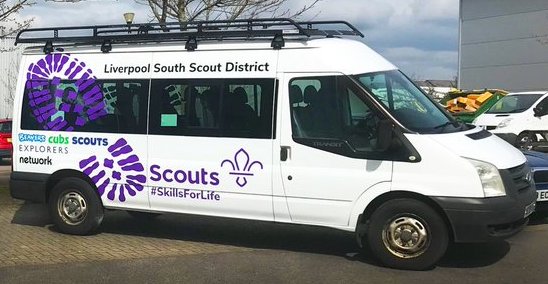 |
15 | 3500 | 2440 | 1060 | 70 |
|
Mk7 Ford Transit SWB (2009-2014) |
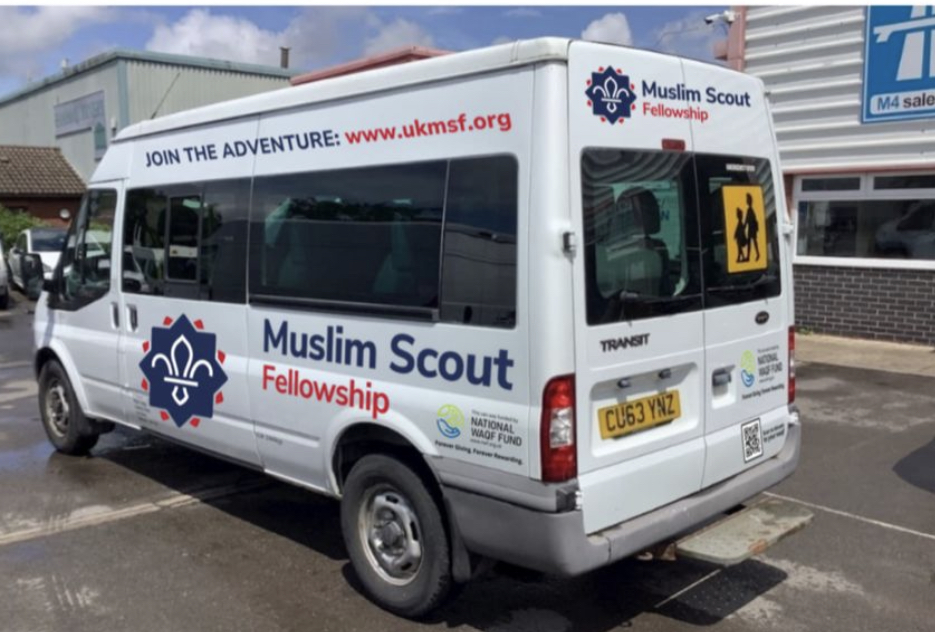 |
14 | 3500 | 2440 | 1060 | 75 |
|
Mk6/7 Ford Transit LWB (2000-2014) |
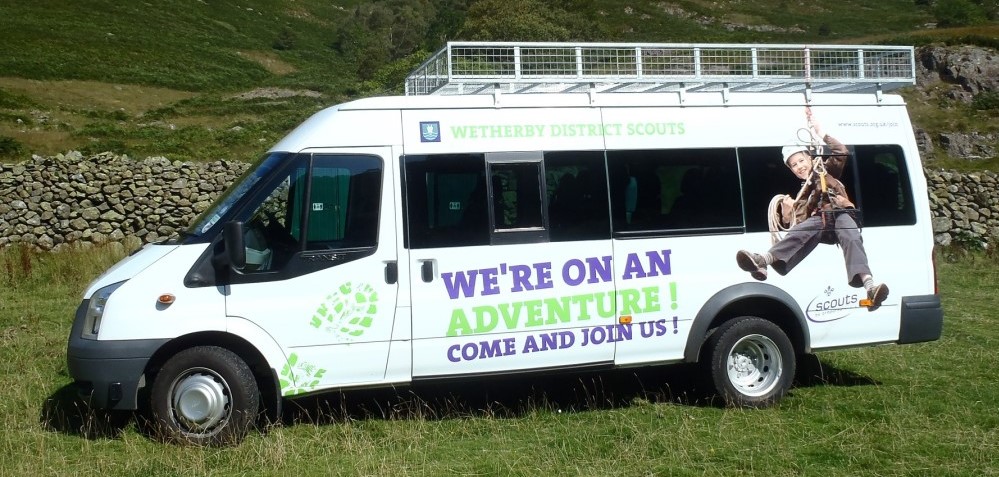 |
17 | 4100* | 2800 | 1300 | 75 |
|
Mk8 Ford Transit SWB (2014 to present) |
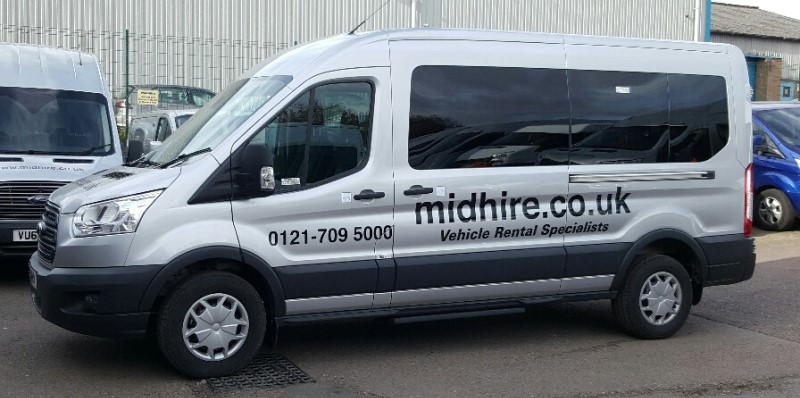 |
12 | 3500 | 2652 | 848 | 70 |
|
Peugeot Boxer/ Vauxhall Movano / Fiat Ducato / Citroën Jumper (2006 to present) |
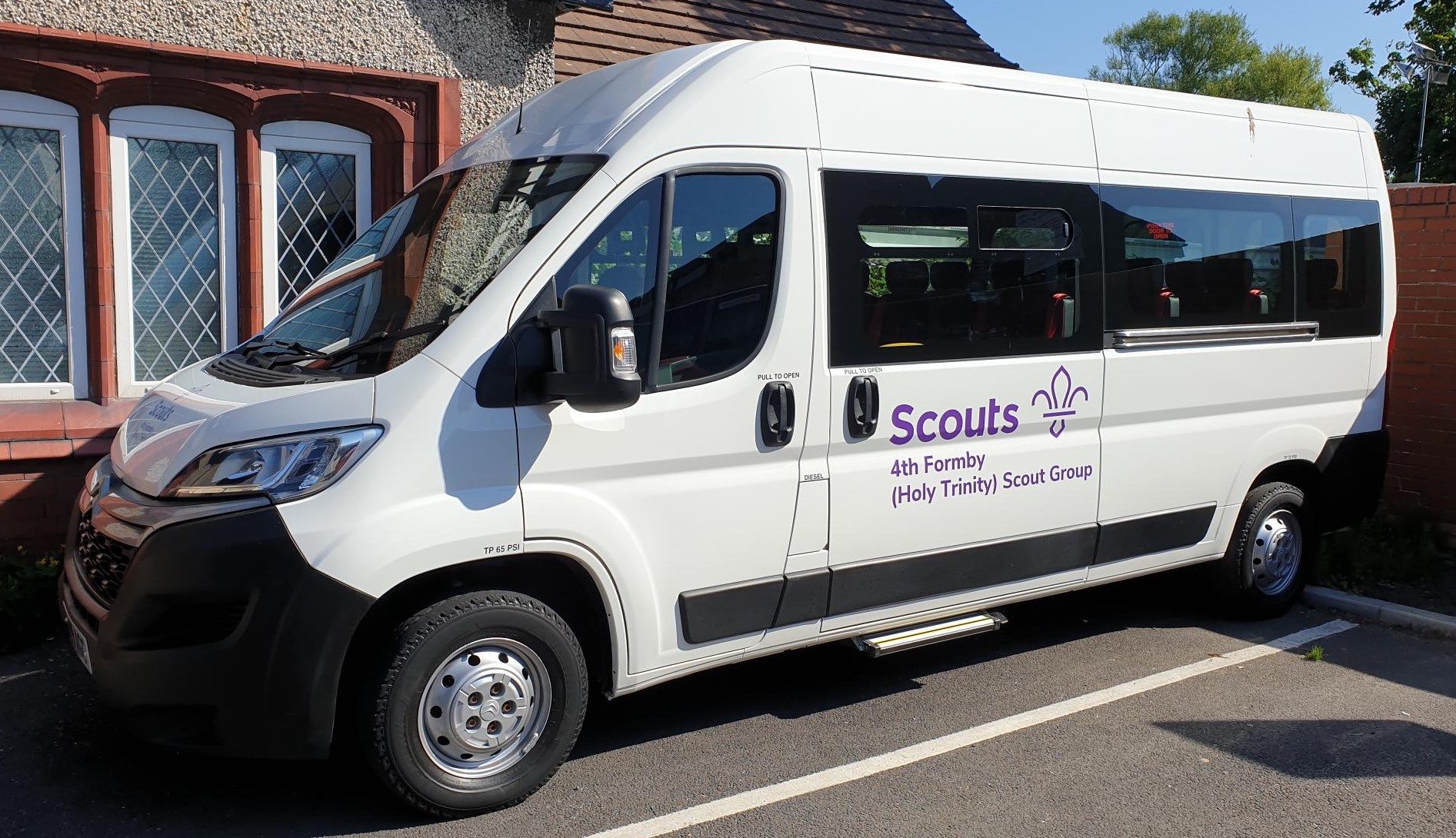 |
17 | 3850* | 2525 | 1325 | 77 |
| VW LT35 (1996 - 2006) | 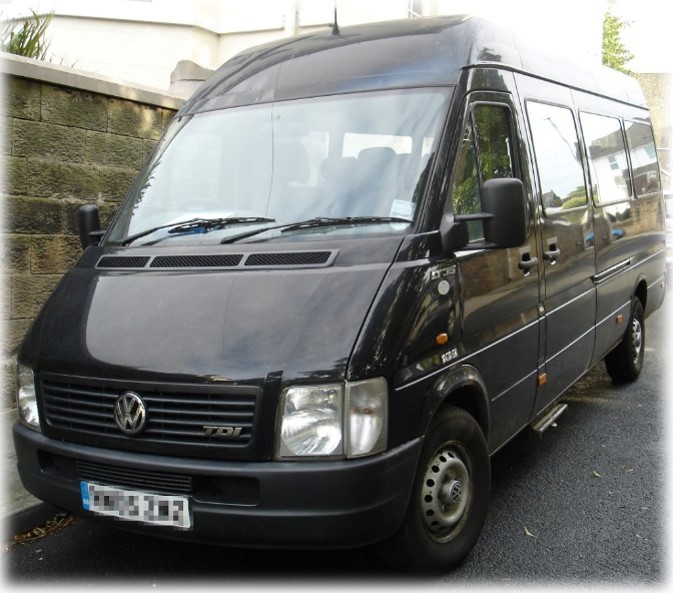 |
17 | 3500 | 2277 | 1223 | 71 |
There are lots of Scouts wheelchair accessible buses which advertise that you can drive them becuase they are under 4250 kg - but ALL of that extra weight MUST be dedcated to the wheelchair, ramp and straps. Most of these are bending the rules a bit too far!
Minibus vehicles have avoided the eye of enforcement officers for some time, though the weight issues they have are more common than you might believe. To put this in to context, the average adult male weight is about 83kg (thirteen stone), the average adult female weight being about 70kg (eleven stone).
When designing a minibus, the required seating allowance for a registered vehicle is only 78kg for a driver and 61kg for passengers. This may allow for the guide figures above, but put fourteen adults with tents and camping kit on board and you’ll quickly exceed your 3,500kg GVW threshold.
For more information on Vehicle Weights, see the CTAs Advice Article.
If you experience any issues in the booking process, please contact [email protected].